Service-desk appointments
Before
The municipal services office had five branches, and people queued at the door from morning for a single piece of paperwork. Desk capacity was on paper. If a clerk's leave was not recorded that day, the queue arrived at a desk that was closed. Moving from a busy branch to a quiet one meant standing in line again, because the second branch kept a separate diary.
Nobody knew which service was building the queue. The regional manager learned at the end of the week from complaints, not from a number. Phone booking existed, but the office's own line was as busy as the desk.
What was built
Each branch has a daily capacity for each service. The site shows only open times, and a desk that is closed that day does not appear at all. Booking, cancellation, and a move between branches sit on one calendar. A move checks the destination's capacity and frees the origin.
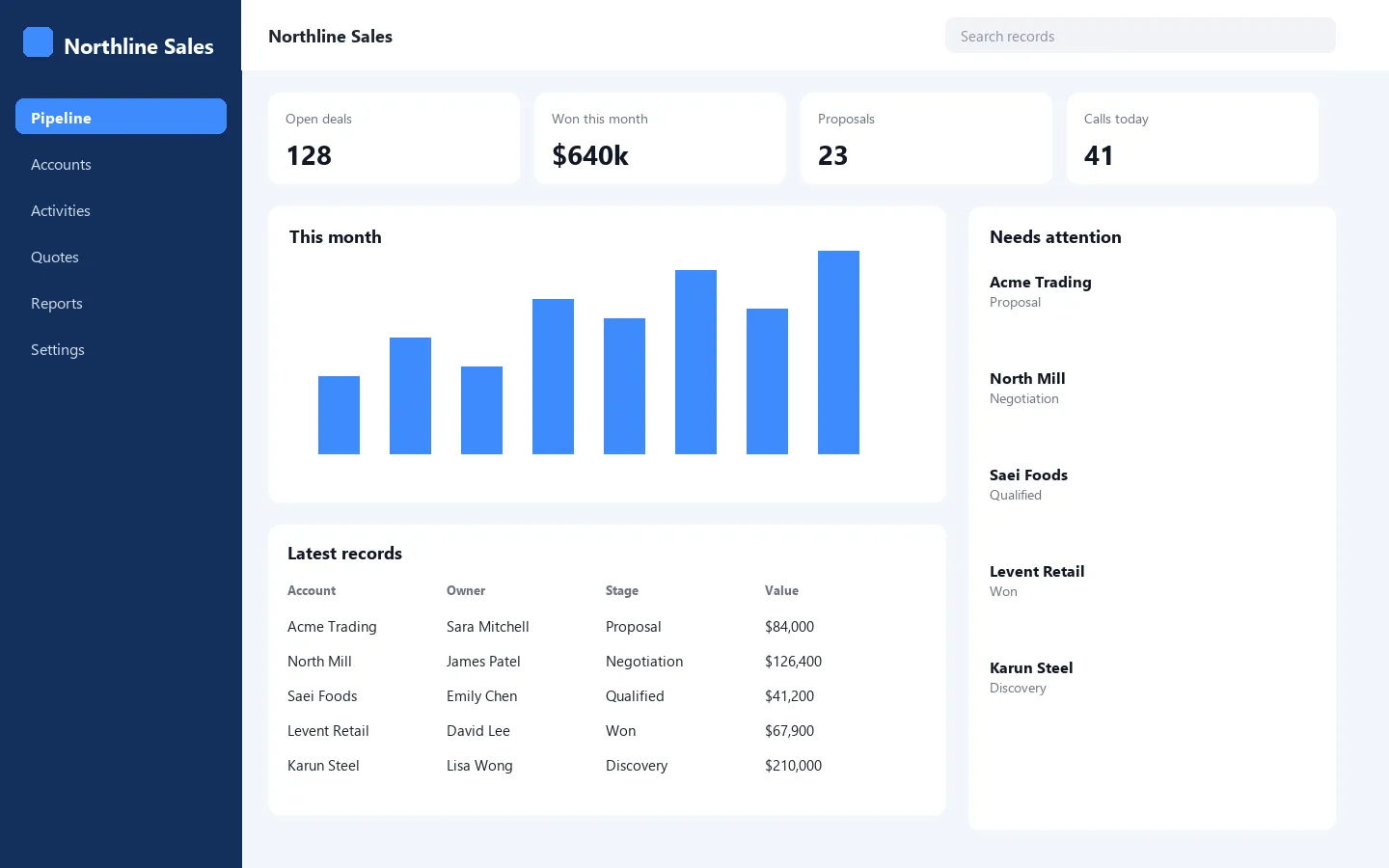
The clerk sees that day's queue on a page: who has arrived, who is late, which service still has room. The regional manager reads the weekly report and puts the extra shift on the service that actually built a queue, not on the loudest complaint.
A working day
The night before, the visitor picks the permit service, sees the nearby branch, and takes 9:15 the next morning. They arrive with an appointment number and do not stand behind the walk-in queue. If the branch is one clerk short that day, the site's capacity was reduced the night before and the extra hour was never sold.
A visitor who came to the wrong branch is moved on the spot. Whether the second branch has room is known at once. At noon the manager sees that permits have built a queue at the central branch and enquiries are empty in the west branch. The next day's shift is built from that difference.
The result
The dawn queue for work that can be scheduled went away. The office phone line was left for the cases that actually need a conversation.
The five branches still get busy, especially at the start of the month. The busy-ness is visible in the capacity the night before, and a closed desk no longer sells appointments. The manager does not have to learn at the end of the week, from complaints, which service ran out of room.